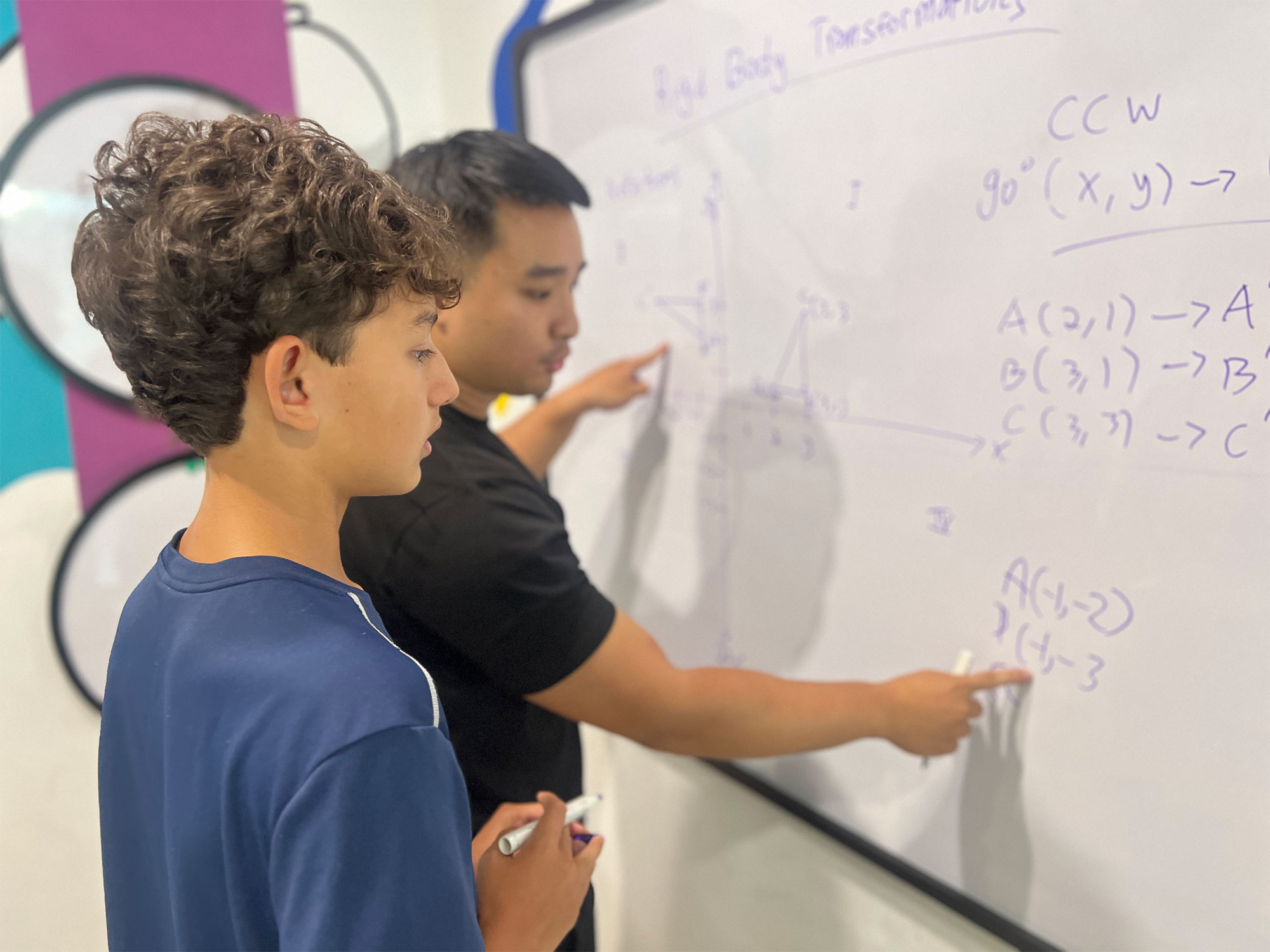
Are Good Grades Enough Anymore? What Schools Don’t Teach About Learning
For many years, good grades have been seen as the primary measure of academic success. Parents aim for them, students work toward them, and schools are structured around them. But in today’s rapidly changing world, an important question is starting to surface: are good grades alone still enough?
While strong academic results remain important, they no longer tell the full story. Increasingly, universities and future career paths are looking beyond grades to assess how students think, solve problems, and adapt to new challenges. This shift highlights a gap between traditional school learning and the broader skills students need to succeed.
What Grades Actually Measure
Grades are designed to evaluate how well students understand and apply the material taught in class. They reflect performance in assignments, tests, and exams within a structured system.
However, this system has limitations. It often rewards accuracy and consistency, but does not always capture deeper skills such as critical thinking, creativity, or the ability to approach unfamiliar problems. A student may achieve high marks by mastering patterns and techniques, yet still struggle when faced with situations that require independent thinking.
The Missing Skills
Many of the skills that matter most in higher education and beyond are not directly measured through standard grading systems. These include:
Critical thinking: the ability to analyze information and form independent conclusions
Problem-solving: approaching unfamiliar challenges without a clear method
Adaptability: adjusting to new formats, expectations, or environments
Communication: expressing ideas clearly, both in writing and verbally
These skills are often developed indirectly, but they are not always explicitly taught or reinforced in a structured way. As a result, students who rely solely on achieving good grades may find themselves unprepared for more complex demands later on.
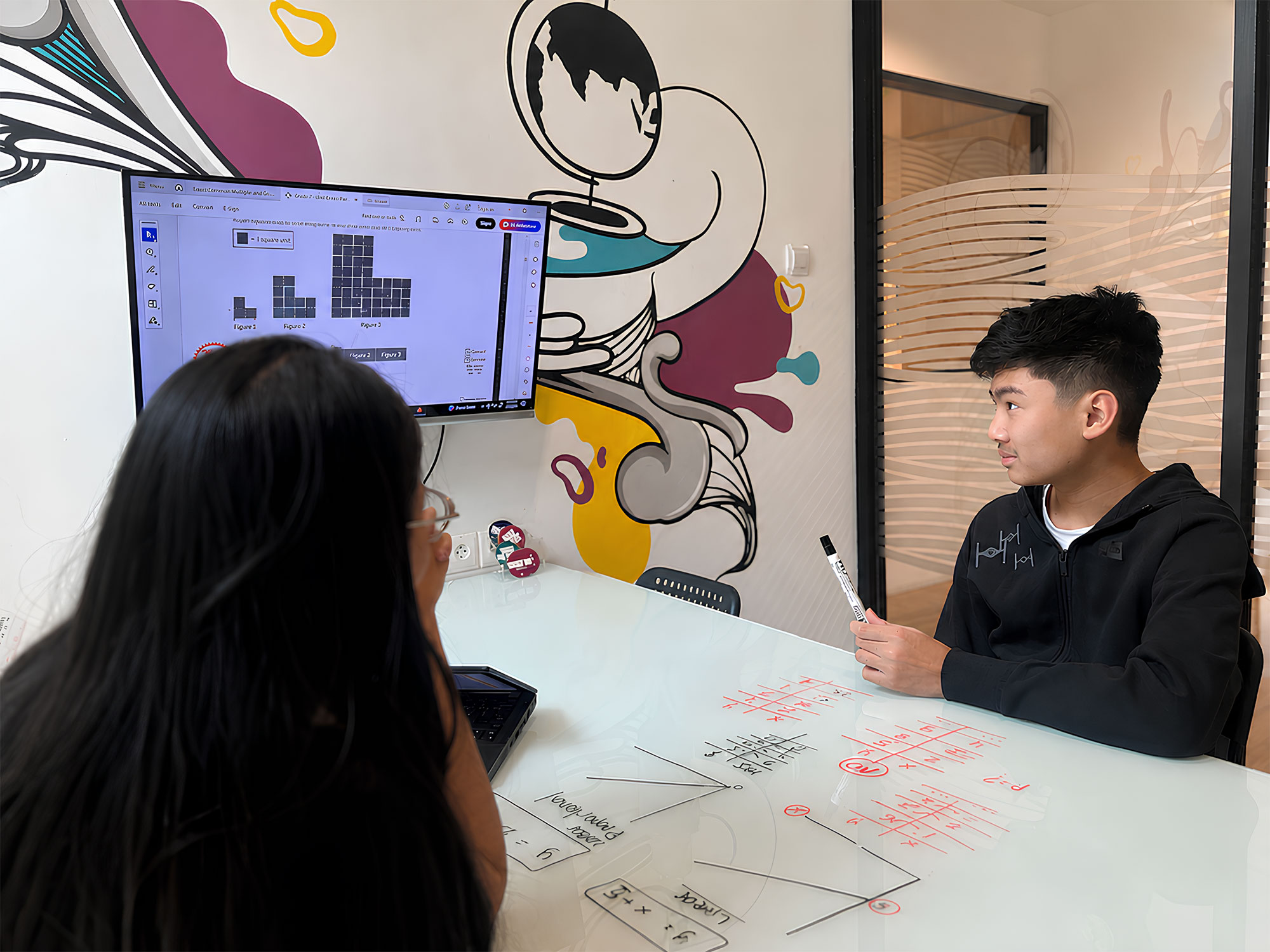
The Shift in Academic Expectations
Programs such as IB and IGCSE already reflect this shift. They place greater emphasis on application, analysis, and evaluation rather than simple memorization. Students are expected to connect ideas, justify their reasoning, and approach questions that do not follow predictable patterns.
This means that academic success is no longer just about knowing the material, but about how effectively a student can use that knowledge. The gap between “studying to get the right answer” and “understanding how to think” becomes increasingly important.
Building a More Complete Skill Set
Supporting students today requires a broader approach to learning. In addition to helping them perform well academically, it is important to encourage:
Asking questions rather than only focusing on answers
Exploring different ways to solve a problem
Reflecting on mistakes to understand why they happened
Applying knowledge in new and unfamiliar contexts
These habits help students move beyond surface-level learning and develop a deeper understanding of the subjects they study.

The Role of Targeted Academic Support
This is where structured academic support can make a difference. Tutoring, when done effectively, is not just about improving grades. It is about strengthening the way students approach learning.
At A for Effort, tutoring is designed to go beyond content delivery. Students are guided to think critically, break down complex problems, and develop strategies that can be applied across subjects. Whether working on Math, Science, or English, the focus is on building skills that support both academic performance and long-term development.
Final Thoughts
Good grades remain an important part of a student’s academic journey, but they are no longer the only measure of success. Developing the ability to think independently, solve problems, and adapt to new challenges is just as important. By focusing on both academic results and the skills behind them, students are better prepared for what comes next, both in school and beyond.
Learn more about how A for Effort supports students beyond grades at www.aforeffort.org.
Phone: +62 819 1100 1203
Email: info@aforeffort.org
Website: www.aforeffort.org