


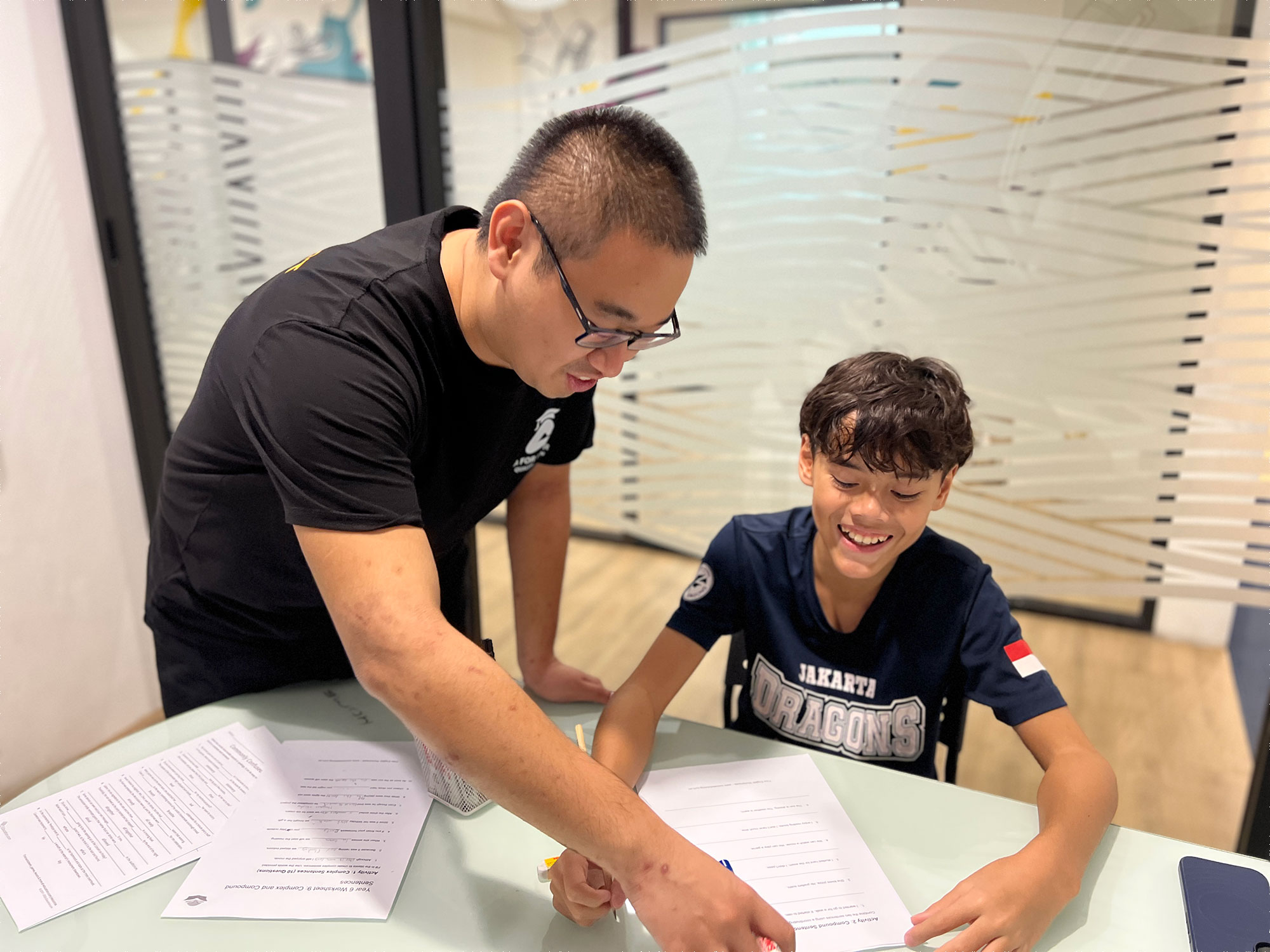
Why Students Understand in Class But Still Perform Poorly in Exams
It is a situation many parents find confusing. A student seems to follow lessons in class, completes homework without major issues, and says they understand the material. Yet when exam results come back, the grades do not reflect that understanding. This gap between “knowing” and “performing” is more common than it appears, and it often has less to do with intelligence and more to do with how students learn and apply information.
The Difference Between Passive and Active Understanding
In class, students are often in a passive learning mode. They listen to explanations, watch examples being solved, and feel a sense of familiarity with the material. This creates the impression that they understand the topic.
However, exams require active recall. Students must retrieve information from memory, apply concepts independently, and solve problems under time pressure. This is a very different skill. A student who feels comfortable during a lesson may struggle when they are required to produce answers without guidance.
Familiarity Can Be Misleading
One of the biggest challenges is that familiarity feels like mastery. When students reread notes or review worked examples, the material looks recognizable, which gives a false sense of confidence.
But recognition is not the same as recall. In an exam setting, students do not have the benefit of seeing the solution first. They need to generate it themselves. Without enough practice in this type of thinking, performance often falls short of expectations.
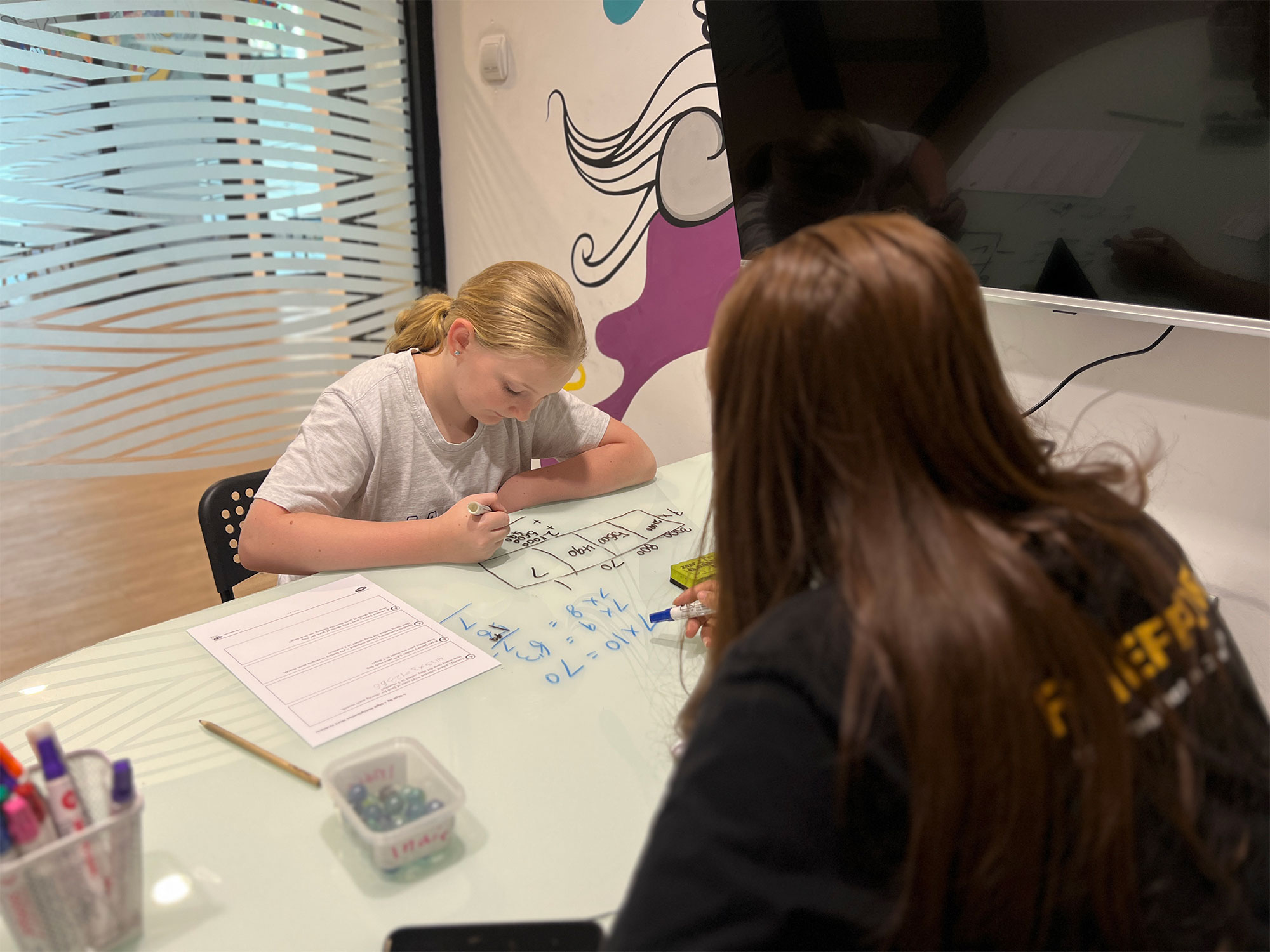
Lack of Exam Technique
Another major factor is exam technique. Even students who understand the content can lose marks if they are not familiar with how to approach questions effectively. This includes:
Misinterpreting what a question is asking
Spending too much time on one section
Not structuring answers clearly
Skipping steps in problem-solving
These issues are rarely addressed in depth during regular lessons, but they have a direct impact on results.
Time Pressure Changes Everything
Exams introduce time constraints that students do not always experience during homework or classwork. Under pressure, even simple mistakes become more likely. Students may rush, second-guess themselves, or struggle to organize their thoughts clearly.
Without practice in timed conditions, this pressure can significantly affect performance, regardless of how well a student understands the material.
Building the Right Study Approach
Improving exam performance requires a shift in how students study. Instead of focusing mainly on reviewing notes, students should spend more time practicing active recall and application. Effective strategies include:
Working through past exam questions regularly
Practicing under timed conditions
Explaining concepts aloud without looking at notes
Identifying and reviewing mistakes in detail
These methods train the brain to retrieve and apply knowledge, which is exactly what exams require.
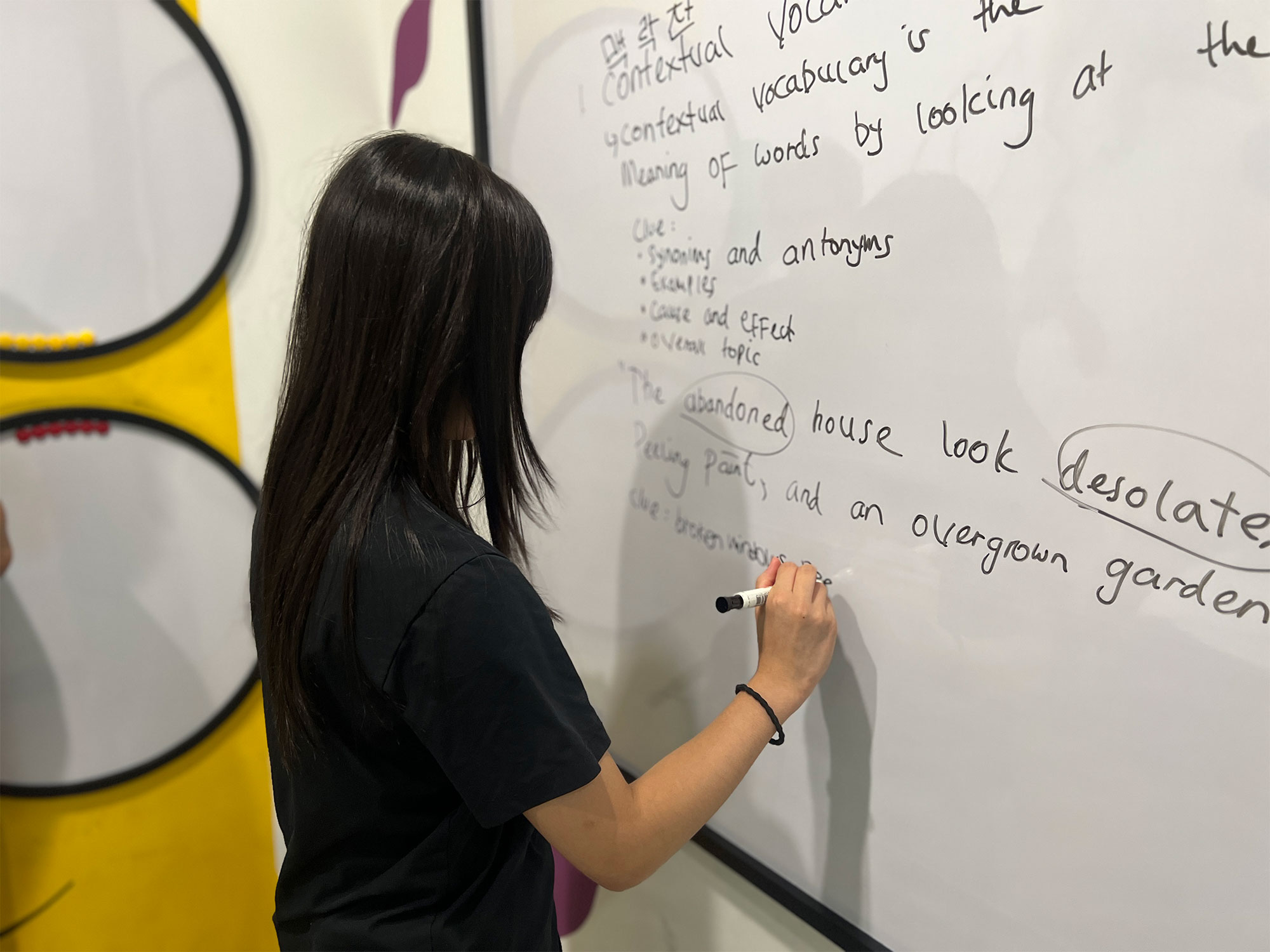
How Targeted Support Makes a Difference
For many students, bridging the gap between understanding and performance requires more structured guidance. This is where tutoring can play an important role.
At A for Effort, tutoring focuses not only on explaining concepts but also on developing exam technique and application skills. Students work through past papers, learn how to approach different types of questions, and build confidence in handling timed assessments. This targeted approach helps ensure that what students know is accurately reflected in their exam results.
Final Thoughts
Understanding a subject is only one part of academic success. Being able to apply that understanding under exam conditions is equally important. By shifting focus from passive review to active practice and developing strong exam techniques, students can close the gap between what they know and how they perform. With the right approach and support, exam results begin to reflect true ability more consistently.
Learn more about how A for Effort helps students improve exam performance at www.aforeffort.org.
Phone: +62 819 1100 1203
Email: info@aforeffort.org
Website: www.aforeffort.org
