
The Difference Between “Studying More” and “Studying Effectively”
When students start to struggle academically, the most common response is simple: study more. More hours, more revision, more effort. While this approach seems logical, it does not always lead to better results. In fact, many students spend long hours studying without seeing meaningful improvement.
Why the Right Space Matters
The issue is not always the amount of time spent, but how that time is used. There is a significant difference between studying more and studying effectively, and understanding that difference can change a student’s entire approach to learning.
Why More Time Doesn’t Always Mean Better Results
Studying for long periods can create a sense of productivity, but it does not guarantee understanding. Students often fall into patterns such as rereading notes, highlighting textbooks, or reviewing examples without actively engaging with the material.
These methods feel familiar and comfortable, but they are largely passive. The brain is not being challenged to recall or apply information, which is essential for long-term retention. As a result, students may feel prepared, only to struggle when faced with exam questions that require independent thinking.
What Effective Studying Looks Like
Effective studying focuses on quality over quantity. It involves actively engaging with the material and practicing the skills that will be required in exams.
Some of the most effective techniques include:
-
Active recall: testing yourself on concepts without looking at notes.
-
Practice questions: applying knowledge to different types of problems
-
Spaced repetition: reviewing material over time instead of in one session
-
Error analysis: understanding why mistakes were made and how to avoid them
These methods require more effort, but they are far more efficient. Students often find that they need less time overall once they switch to more effective strategies.
The Role of Focus and Structure
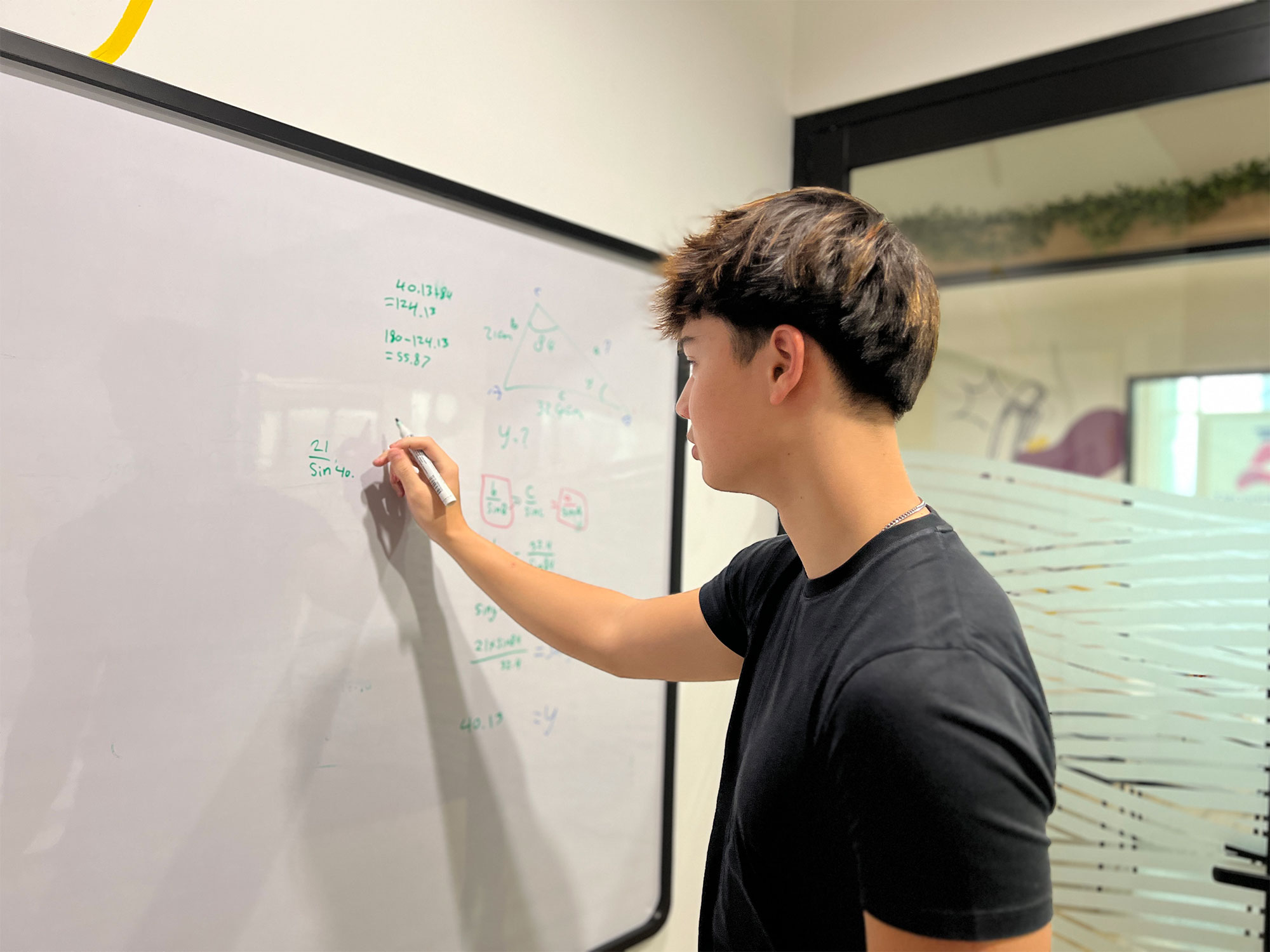
Another key factor is focus. Studying for two hours with constant distractions is far less effective than one hour of focused work. Creating a structured study routine helps students make better use of their time.
This might include setting specific goals for each session, such as completing a set number of questions or mastering a particular topic. Short, focused sessions with clear objectives are often more productive than long, unstructured ones.
Understanding, Not Memorizing
Many students rely heavily on memorization, especially when preparing for tests. While memorization has its place, it is not enough on its own. Exams, particularly in programs like IB and IGCSE, often require students to apply concepts in unfamiliar ways.
This is where true understanding becomes important. Students need to be able to explain ideas, connect topics, and adapt their knowledge to different contexts. Effective studying builds this level of understanding, rather than just preparing students to recognize familiar questions.
Breaking the “Study More” Mindset
Shifting from “study more” to “study better” requires a change in mindset. Students need to see studying not as a measure of time, but as a process of improvement.
Parents can support this by focusing less on how long their child studies and more on what they are actually doing during that time. Asking questions like “What did you practice today?” or “What did you find challenging?” encourages a more thoughtful approach to learning.
How Structured Support Helps
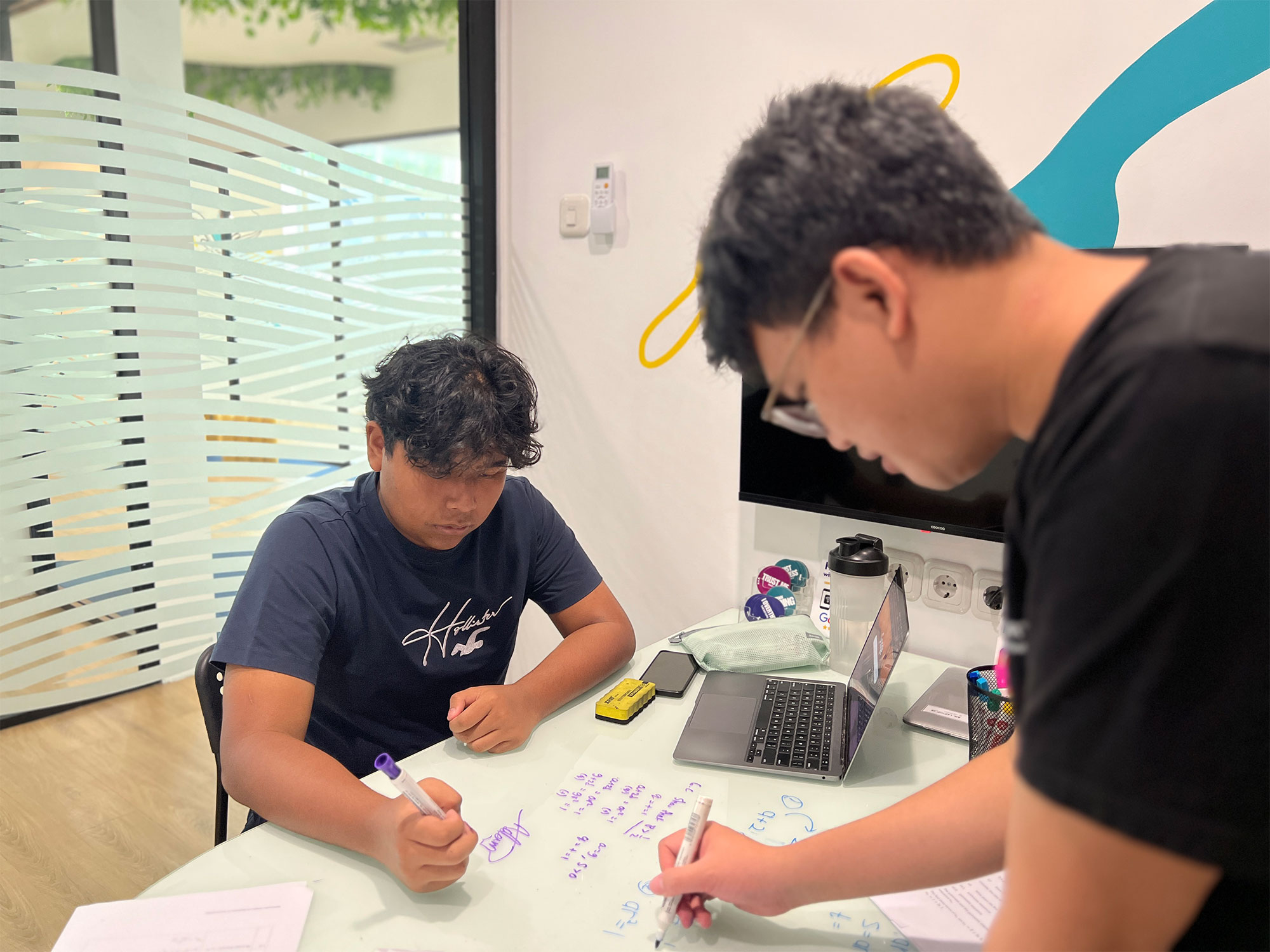
For many students, knowing how to study effectively does not come naturally. This is where guided support can make a difference.
At A for Effort, tutoring focuses on helping students develop effective study strategies alongside academic understanding. Students learn how to approach different types of questions, manage their time, and review material in a way that leads to real improvement. By building these skills, they are able to study more efficiently and achieve better results without unnecessary pressure.
Final Thoughts
Studying more is not always the answer. What matters is how students use their time and how actively they engage with the material. By focusing on effective strategies, maintaining strong focus, and building real understanding, students can achieve better outcomes with less frustration. With the right approach, studying becomes not just more productive, but also more manageable and rewarding.
Learn more about how A for Effort helps students study more effectively at www.aforeffort.org
Phone: +62 819 1100 1203
Email: info@aforeffort.org
Website: www.aforeffort.org