The Importance of Reflection: Helping Students Learn from Their First Semester
As the first semester comes to an end, many students focus only on their final grades. While grades are important, they tell only part of the story. The end of a semester is also an opportunity to reflect on what worked, what was challenging, and how to improve moving forward. Reflection is a powerful tool that helps students grow as learners and prepares them for stronger results in the next term.

Why Reflection Matters
Academic reflection is more than simply looking back at successes and mistakes. It encourages students to think critically about their habits, effort, and strategies. By identifying patterns — such as procrastinating before tests or struggling with certain subjects — students can make meaningful changes. This process builds self-awareness, responsibility, and resilience, all of which are just as valuable as academic knowledge.
How Students Can Reflect Effectively
Parents and teachers can guide students through reflection by asking thoughtful questions. For example:
What subjects felt most challenging, and why?
Which study methods worked best, and which did not?
How well was time managed during busy weeks?
What is one skill that improved since the start of the semester?
These questions push students beyond surface-level thinking and encourage them to analyze their approach to learning. Reflection should not be about blame but about discovering practical ways to grow.
Turning Reflection into Action
Reflection is only useful if it leads to change. Once students identify strengths and weaknesses, they should set clear goals for the next semester. For example, a student who realizes they struggled with last-minute revision might commit to creating a study schedule two weeks before the next test period. A student who found success by studying with a classmate might plan to make group study sessions a regular habit.
How Tutoring Can Provide Extra Support
Reflection is only useful if it leads to change. Once students identify strengths and weaknesses, they should set clear goals for the next semester. For example, a student who realizes they struggled with last-minute revision might commit to creating a study schedule two weeks before the next test period. A student who found success by studying with a classmate might plan to make group study sessions a regular habit.
Parents can support this process by helping their children write down their reflections and goals. Keeping a record makes it easier to track progress later and gives students a sense of accountability.
Building Confidence Through Reflection
One of the most overlooked aspects of reflection is celebrating progress. Students often focus only on what needs improvement, forgetting to acknowledge growth. Recognizing achievements, whether large or small, builds confidence and motivation. A child who struggled with essays but improved their structure by the end of the semester should see this as a victory worth building on.
How Tutoring Supports Reflection and Growth
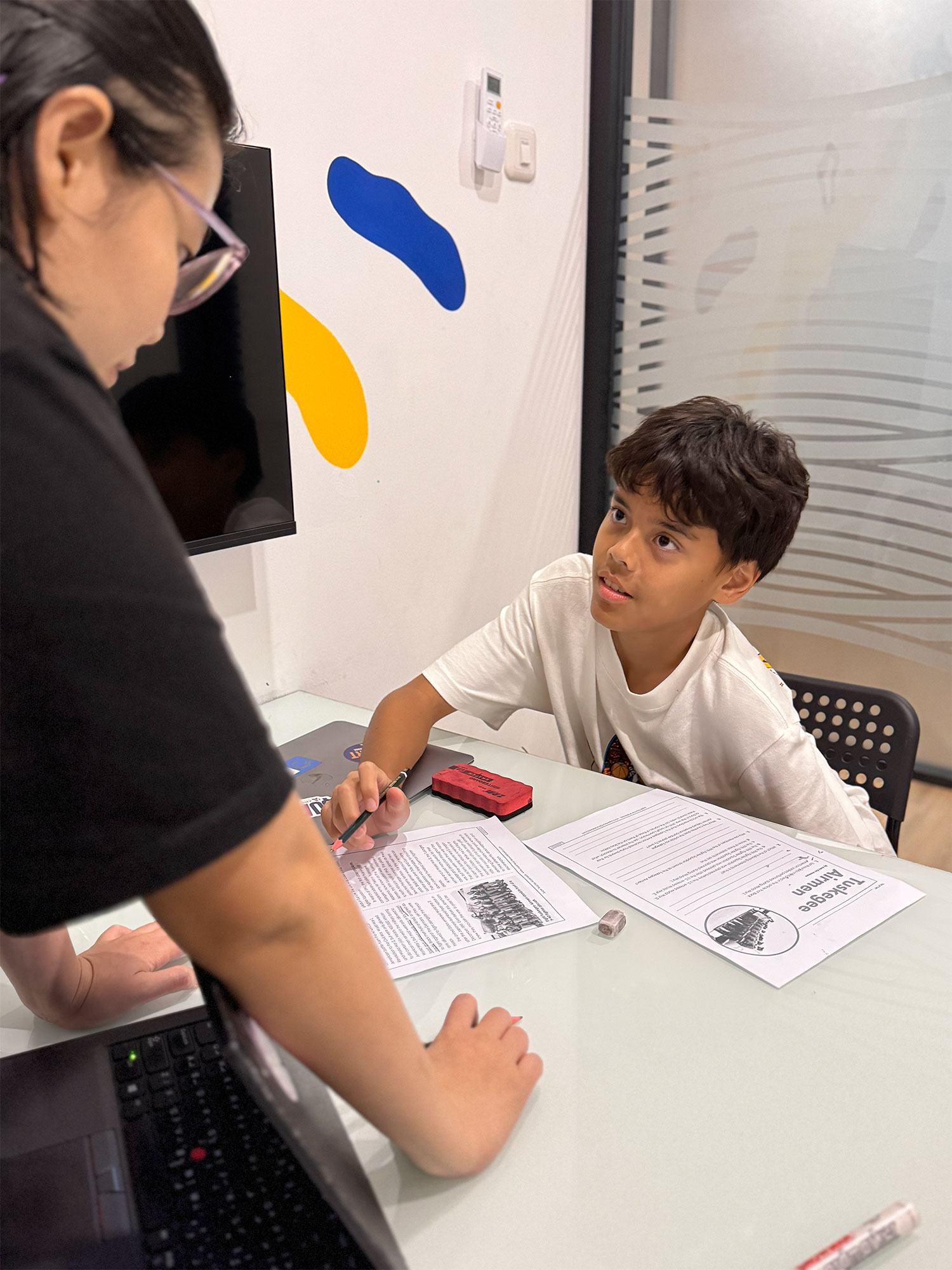
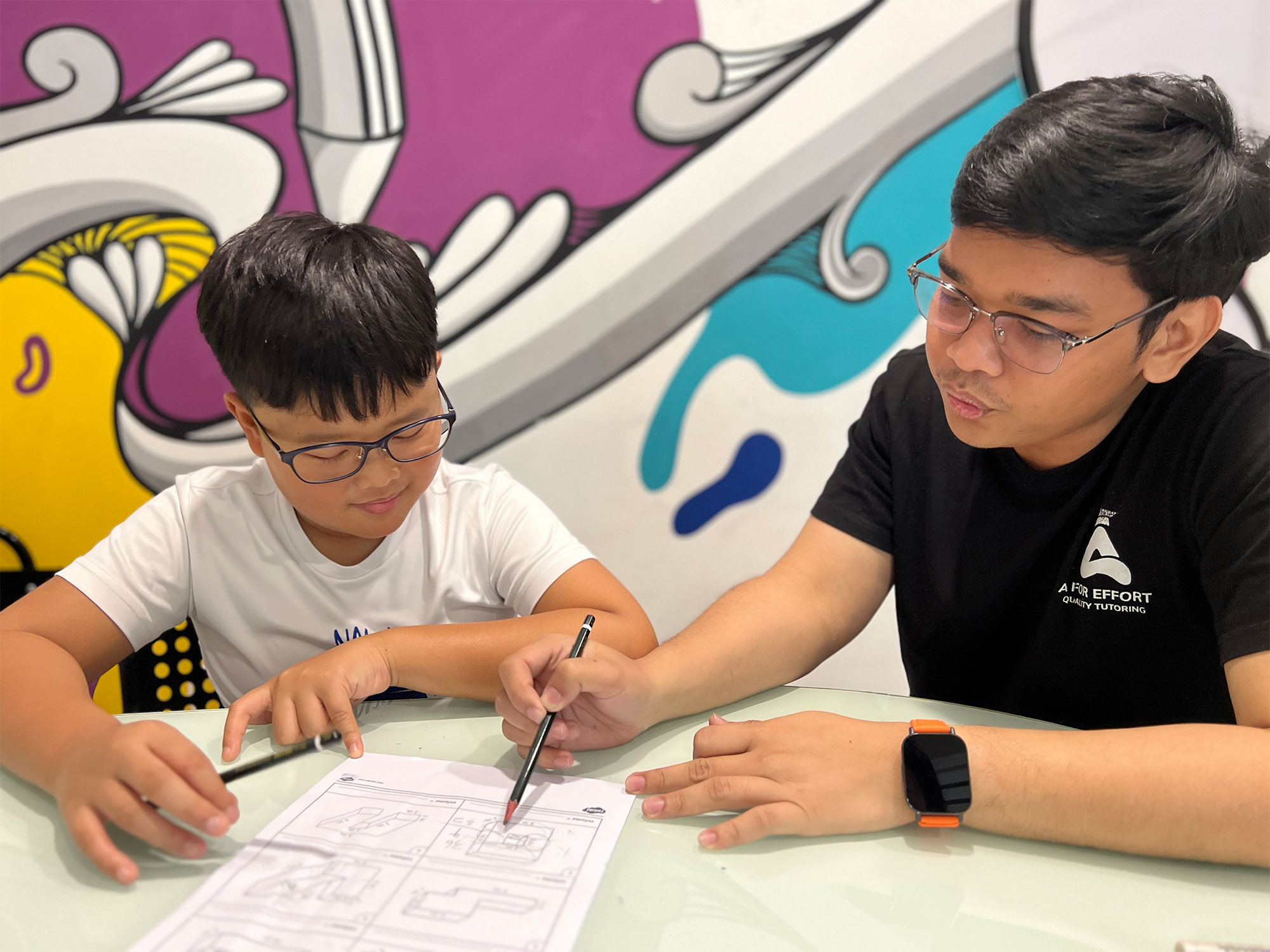
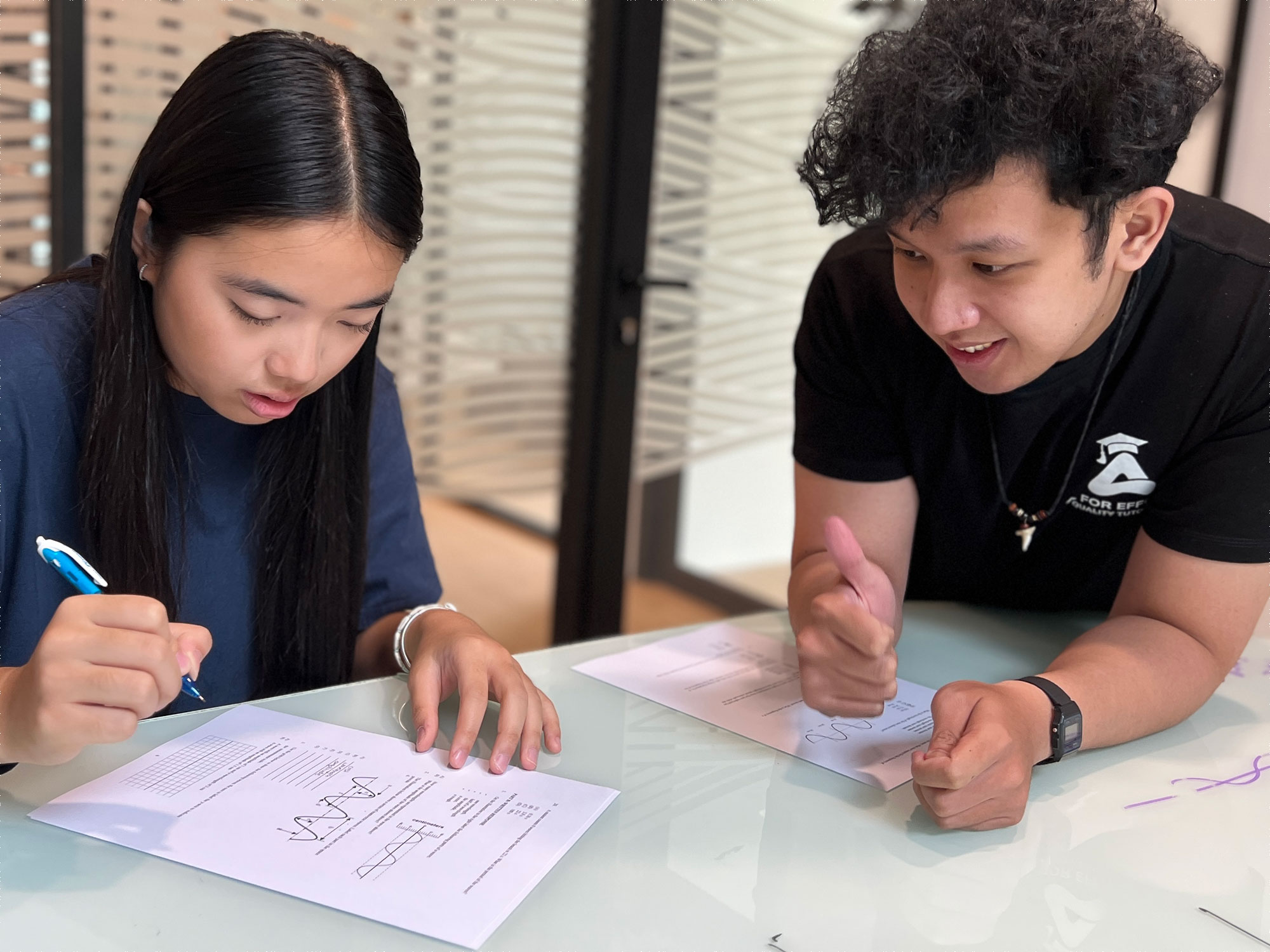
Tutoring can play an important role in this process by giving students structured feedback and strategies for improvement. At A for Effort, one of Jakarta’s most experienced tutoring centers, our tutors help students identify where they excel and where they need reinforcement. We do not just focus on grades; we also teach study habits, organization, and problem-solving skills that carry into every subject. Whether preparing for IB, IGCSE, SAT, or building stronger foundations, our personalized tutoring ensures that reflection leads to real progress.
Final Thoughts
The end of a semester is not just a time to collect grades. It is a chance to pause, reflect, and set the direction for what comes next. By asking the right questions, turning reflection into action, and recognizing growth, students develop the tools to become stronger and more independent learners. With encouragement from parents and, when needed, the structured guidance of tutoring, reflection becomes a powerful stepping stone to future success.
For more information on how A for Effort can support your child’s academic journey, contact us at:
Phone: +62 819 1100 1203
Email: info@aforeffort.org
Website: www.aforeffort.org