
Preparing for Standardized Exams: SAT, IB, and IGCSE Timelines Explained
For many students, major standardized exams such as the SAT, IB, and IGCSE represent key milestones in their academic journey. These tests play a significant role in shaping university opportunities and future pathways. Because the stakes are high, preparation must be thoughtful, strategic, and spread over time. Last-minute cramming rarely works. Instead, students benefit from following clear timelines that build knowledge and confidence gradually.
Why Timelines Are Important
Each of these exams tests not only subject knowledge but also critical thinking, problem-solving, and time management. Developing these skills takes time. A structured timeline prevents overwhelm and ensures that preparation is steady, leaving space for review, practice, and balance with regular schoolwork.
SAT Preparation Timeline
The SAT is often taken in Grade 11 or 12, depending on a student’s university goals. Because it covers broad skills in math, reading, and writing, early planning is essential.
One year before the test: Begin familiarizing with the format through practice questions and diagnostic tests. This helps identify strengths and weaknesses.
Six months before: Create a study schedule with regular practice sessions. Focus on areas of difficulty while maintaining strengths.
Three months before: Take full-length practice tests under timed conditions to simulate the exam environment. Review mistakes carefully.
Final month: Refine strategies, practice pacing, and build confidence with shorter, targeted sessions.
The International Baccalaureate Diploma Programme (IBDP) culminates in final exams at the end of Grade 12, but preparation truly begins much earlier.
Year 1 of IB: Focus on building strong study habits and staying on top of coursework. Keeping detailed notes and staying consistent with assignments makes revision much easier later.
One year before exams: Begin reviewing material regularly instead of waiting until the second year. Internal assessments, extended essays, and TOK (Theory of Knowledge) projects should also be managed carefully to avoid last-minute stress.
Six months before exams: Create a structured revision timetable covering each subject. Incorporate past papers and exam-style practice.
Final three months: Prioritize exam technique, time management, and practice under timed conditions. Address weak areas with focused review.
IGCSE Preparation Timeline
The IGCSE is usually taken at the end of Grade 10, with exams covering a wide range of subjects. Because of the breadth, early and steady preparation is critical.
One year before exams: Ensure that classwork and homework are completed thoroughly, as these form the foundation of exam preparation. Begin light review of challenging topics.
Six months before exams: Start a revision routine, reviewing key concepts weekly and practicing past papers.
Three months before exams: Intensify practice with full-length papers under exam conditions. Focus on time management and exam strategies.
Final month: Review weaker topics and reinforce exam confidence through guided practice.
How Tutoring Supports Exam Preparation
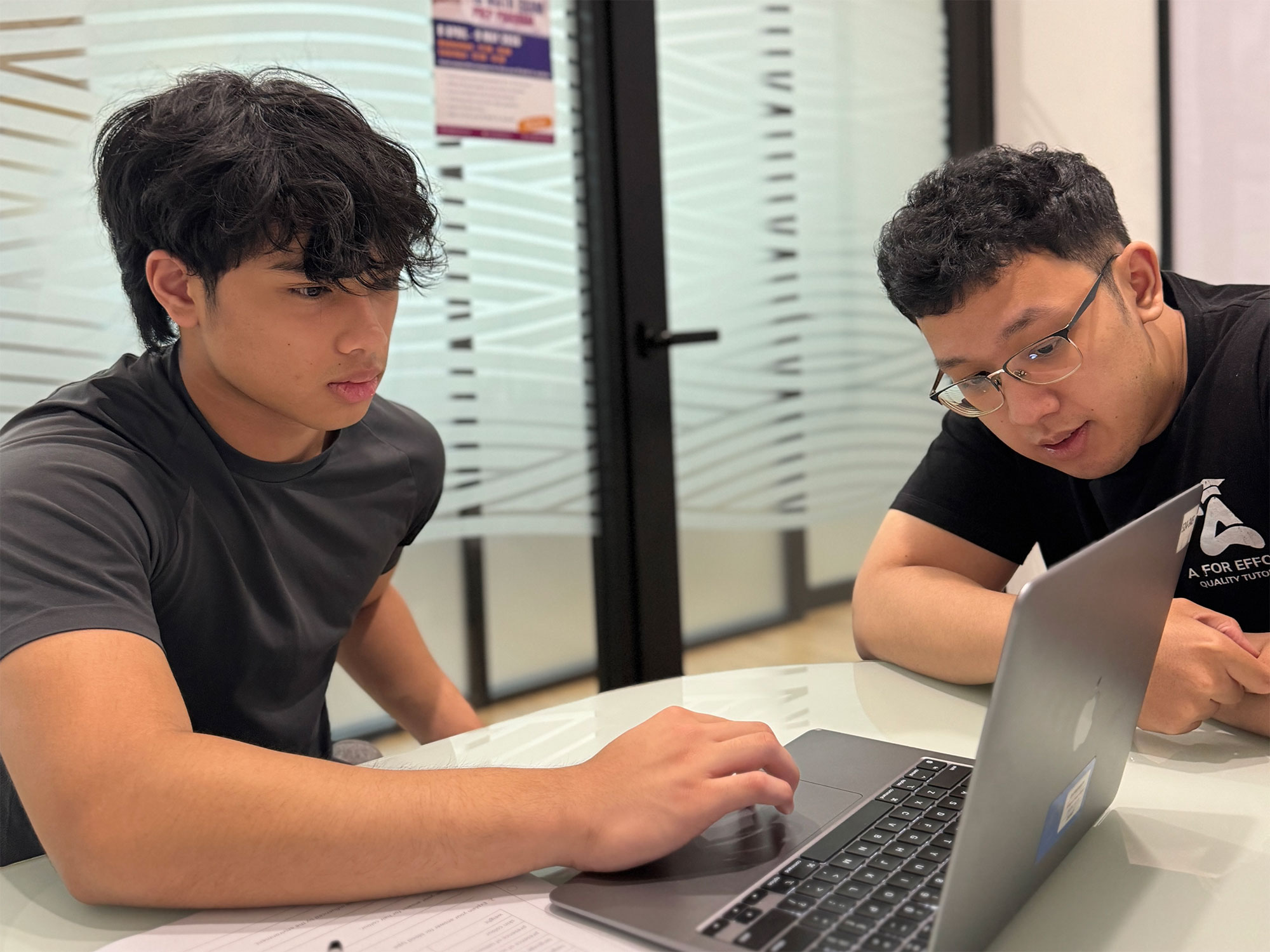
Standardized exams can feel overwhelming, but students do not need to navigate them alone. Tutoring provides structure, accountability, and expert guidance. At A for Effort, a trusted provider of IB, IGCSE, and SAT tutoring in Jakarta, we help students build personalized timelines, practice effectively with past papers, and strengthen exam strategies. Our tutors understand the unique challenges of each program and adapt lessons to meet individual needs. By combining content mastery with confidence-building strategies, we ensure students walk into the exam room prepared and focused.
Final Thoughts
Preparing for major exams is a marathon, not a sprint. By starting early, following clear timelines, and combining effective study strategies with healthy routines, students can approach these milestones with confidence. Parents can support by encouraging consistency and balance, while tutoring adds the expert structure needed to make preparation efficient and effective. At A for Effort, we guide students every step of the way, turning what feels like an overwhelming challenge into a clear and manageable path to success.
For more information on how A for Effort can support your child’s academic journey, contact us at:
Phone: +62 819 1100 1203
Email: info@aforeffort.org
Website: www.aforeffort.org