
How to Prevent the “Holiday Learning Gap” Without Overloading Your Child
The school holidays are something every child looks forward to. It is a time to relax, recharge, and step away from the structure of daily routines. For parents, however, there is often a lingering concern in the background: will my child fall behind academically during the break? This concern is valid. Research consistently shows that students can lose some of the knowledge and skills they gained during the school year, especially in subjects like Math and reading. This is often referred to as the “holiday learning gap.”
The challenge is finding a way to keep children mentally engaged without turning their holiday into an extension of school. The goal is not to replicate the classroom at home, but to maintain a light level of academic activity that keeps the brain active while still allowing children to enjoy their time off.
Understanding the Learning Gap
Learning is built through consistency. During the school term, students are exposed to new concepts regularly and are given opportunities to practice and apply them. When this stops completely for several weeks, it becomes harder for students to retain information, especially if the concepts were not fully mastered in the first place.
This is particularly noticeable in subjects that require cumulative understanding. A student who was already slightly unsure about fractions or algebra, for example, may return to school feeling even less confident. Over time, these small gaps can build into larger challenges.
Keeping Learning Light and Consistent
The key to avoiding this is not intensity, but consistency. Even short periods of engagement can make a significant difference. Instead of long study sessions, aim for small, manageable activities that fit naturally into the day.
Reading is one of the simplest and most effective ways to keep the mind active. Encouraging children to read regularly, whether it is books, articles, or even age-appropriate magazines, helps maintain comprehension and vocabulary skills. For younger students, reading together can also make it more enjoyable and interactive.
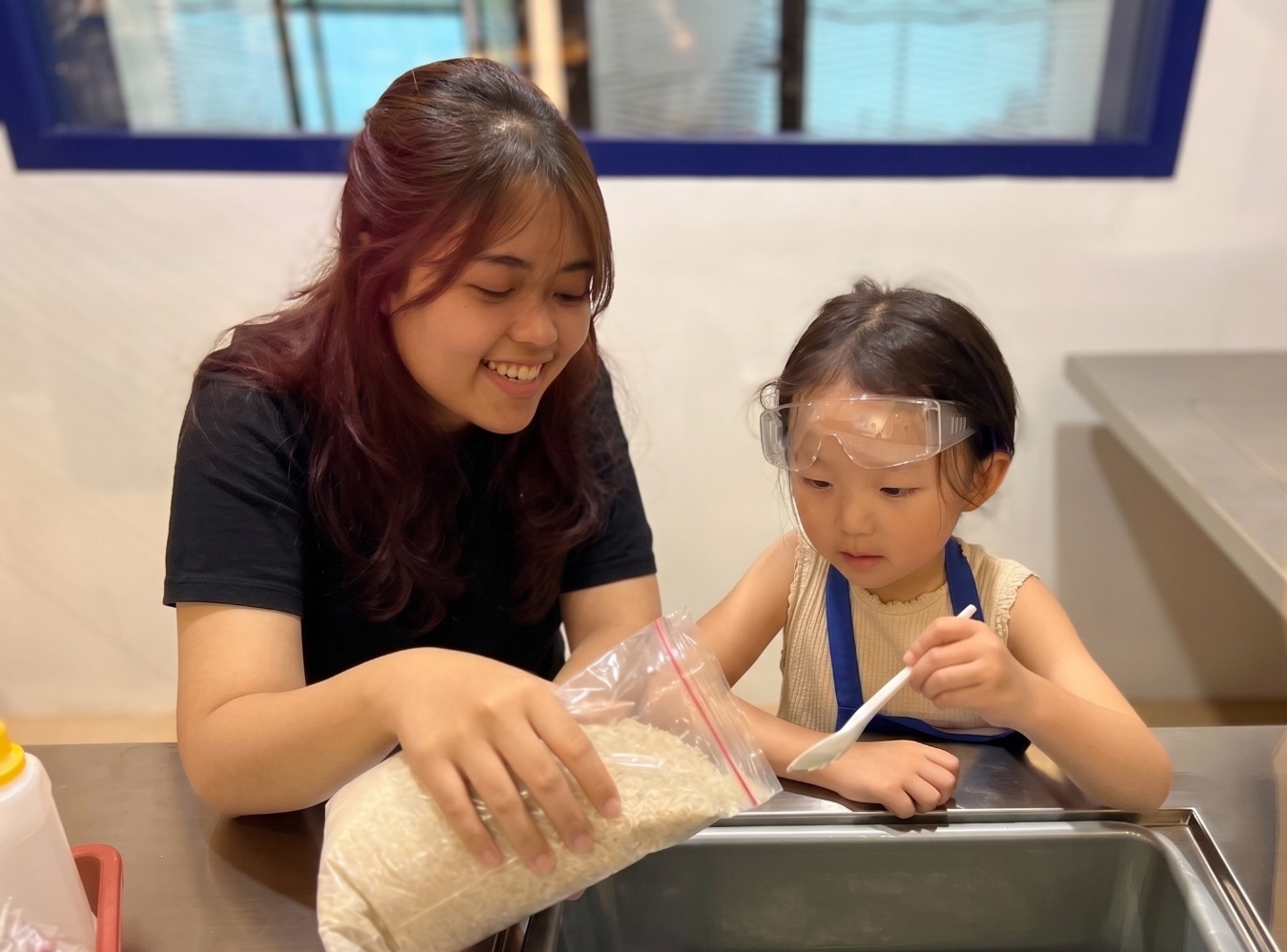
Math can be reinforced in everyday situations. Simple activities like measuring ingredients while cooking, handling money during shopping, or playing logic-based games can strengthen numerical understanding without feeling like formal study.
Creating a Flexible Routine
Children benefit from having some structure, even during the holidays, but it should be flexible. Setting aside 20 to 30 minutes a few times a week for reading or light academic practice is often enough. The rest of the day can be left for play, social activities, and rest. This balance ensures that learning continues without creating resistance or stress.
Parents should also be mindful of their child’s individual needs. Some students may need more reinforcement in certain subjects, while others may benefit more from creative or exploratory activities. The approach does not need to be identical for every child.
When Extra Support Makes Sense
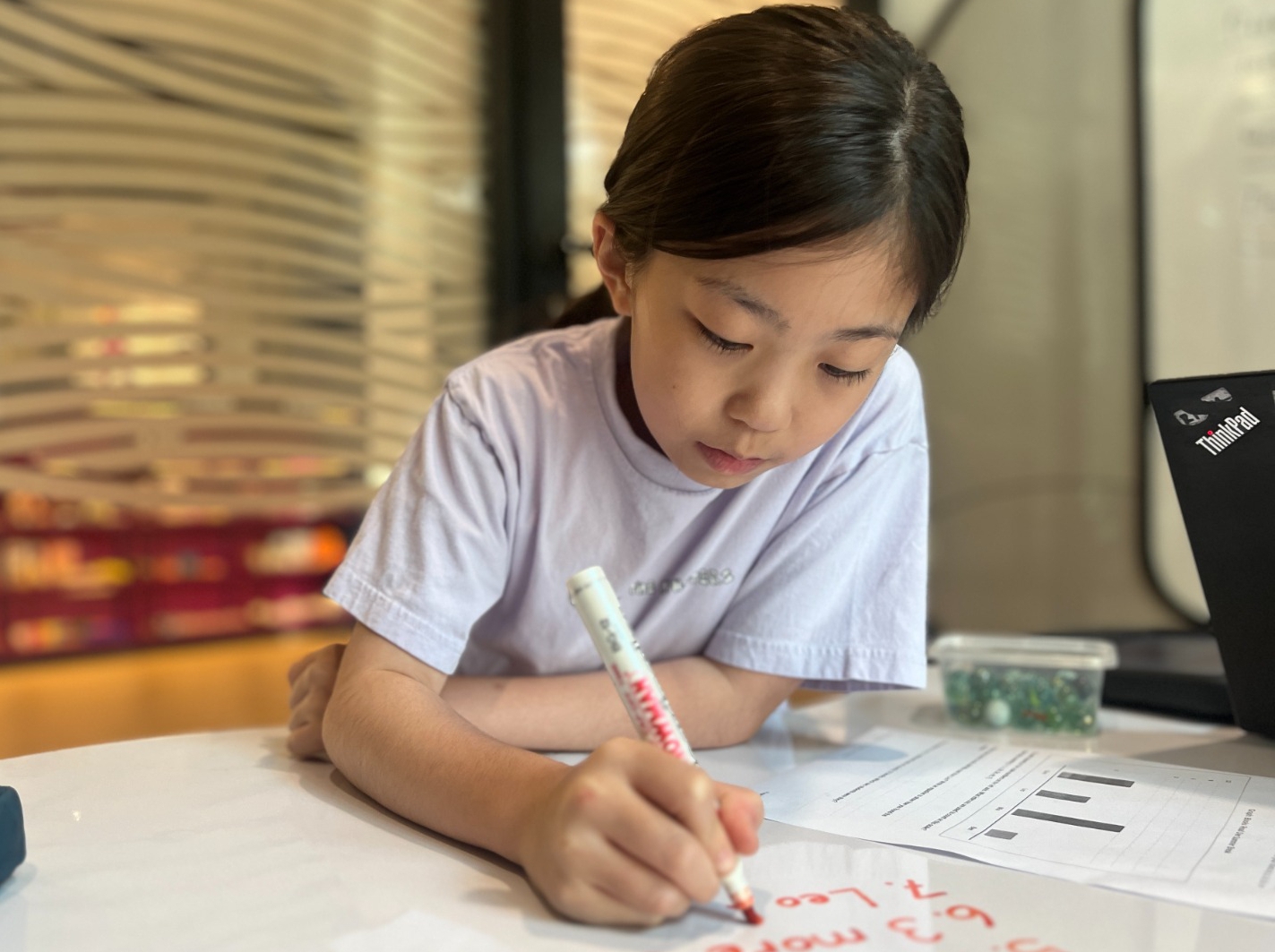
For some families, especially when a child has struggled with certain topics during the school year, additional support during the holidays can be beneficial. Short, focused tutoring sessions can help reinforce key concepts and prevent gaps from widening.
Parents should also be mindful of their child’s individual needs. Some students may need more reinforcement in certain subjects, while others may benefit more from creative or exploratory activities. The approach does not need to be identical for every child.
Final Thoughts
The holidays should remain a time for rest and enjoyment, but that does not mean learning needs to stop entirely. With a balanced approach that combines light academic engagement with plenty of free time, children can maintain their progress without feeling pressured. Small, consistent efforts during the break often make a noticeable difference when the new school term begins.
Learn more about how A for Effort supports students during the holiday period at www.aforeffort.org.
Phone: +62 819 1100 1203
Email: info@aforeffort.org
Website: www.aforeffort.org